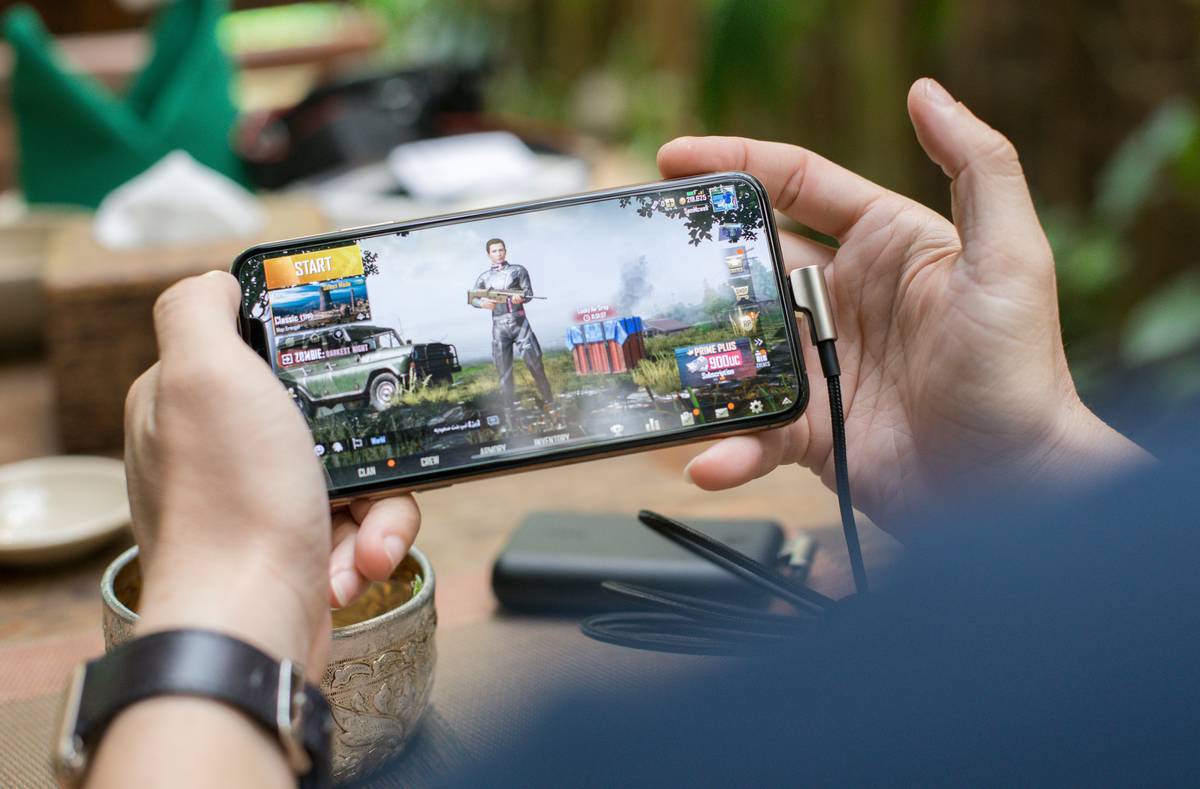
Ever lost a ranked match because your phone lagged during the final showdown? You’re not alone. With over $90 billion in global mobile gaming revenue in 2023, competitive mobile titles like PUBG Mobile, Clash Royale, and Brawl Stars aren’t just casual pastimes—they’re serious esports battlegrounds. But jumping into tournament competitive mobile gaming without strategy is like entering a pro boxing ring bare-knuckled. This guide cuts through the noise with actionable advice from real tournament experience, so you skip the rookie blunders and start climbing.
Table of Contents
- Why Tournament Competitive Mobile Gaming Is Tougher Than It Looks
- Your Step-by-Step Path to Tournament Readiness
- Top Best Practices for Consistent Performance
- Real Wins (and Losses) from the Mobile Esports Arena
- FAQs About Competitive Mobile Tournaments
Key Takeaways
- Latency and device optimization matter as much as skill in tournament competitive mobile gaming.
- Structured practice beats mindless grinding every time.
- Team communication protocols can make or break squad-based tournaments.
- Avoid “gear envy”—your technique trumps expensive hardware.
Why Tournament Competitive Mobile Gaming Is Tougher Than It Looks
Unlike console or PC esports, mobile gaming battles invisible enemies: spotty Wi-Fi, battery throttling, accidental screen taps, and background app interference. I learned this the hard way during a regional PUBG Mobile qualifier. Right before the final circle, my phone overheated, frames dropped to 12 FPS, and I got eliminated by someone camping in a bush. The worst part? My internet was fine—it was my own unoptimized device settings that cost me a $500 prize pool spot.

Your Step-by-Step Path to Tournament Readiness
1. Audit Your Hardware and Network
Run a speed test using tools like Speedtest by Ookla. Aim for under 40ms ping and at least 15 Mbps download. Disable auto-updates, notifications, and battery saver mode during matches. For Android users, enable “Game Booster” features; iOS players should toggle on “Low Latency Mode” in supported games.
2. Master One Game Deeply
Don’t spread yourself thin across five titles. Pick one competitive mobile game—say, Clash Royale or Mobile Legends—and study its meta weekly. Analyze top player VODs on YouTube or Twitch. Note their positioning, timing, and resource management. Depth beats breadth in tournament competitive mobile gaming.
3. Simulate Real Tournament Conditions
Practice with the same headset, grip, and lighting you’ll use in competition. Record your scrimmages. Reviewing gameplay reveals patterns you’d miss live—like consistently peeking angles too slowly or mismanaging cooldowns.
Top Best Practices for Consistent Performance
- Warm up before every session: 10 minutes of aim trainers or deathmatch modes primes reflexes.
- Hydrate and stretch: Cramped hands and dry eyes sabotage late-game focus.
- Communicate with callouts: Use concise terms like “enemy mid,” “push left,” or “cooldown ready”—not full sentences.
- Avoid the “terrible tip” trap: Ignore influencers who say “just buy the best skin—it boosts stats.” Cosmetic items never affect gameplay mechanics. That’s pure myth.
Real Wins (and Losses) from the Mobile Esports Arena
In the 2023 Mobile Legends: Bang Bang Mid Season Cup, Southeast Asian teams dominated partly due to rigorous local tournament structures and consistent low-latency infrastructure. Meanwhile, North American squads often struggled—not from lack of talent, but inconsistent practice environments. According to ESL Mobile’s regional performance report, teams that practiced under simulated LAN conditions improved win rates by 22% within six weeks. That’s the power of environment control in tournament competitive mobile gaming.
One amateur squad I coached implemented strict network hygiene: wired hotspot via Ethernet-to-USB adapter, no background apps, and pre-match device reboots. They went from bottom-bracket eliminations to semifinals in three months—all without upgrading phones.
FAQs About Competitive Mobile Tournaments
What’s the best phone for tournament competitive mobile gaming?
Flagship models like iPhone 14 Pro or Samsung Galaxy S23 offer high refresh rates and thermal stability, but mid-range phones like the OnePlus Nord series can also perform well if optimized properly. Focus on consistent frame rates, not brand prestige.
Do I need a controller for mobile esports?
Most official tournament competitive mobile gaming events prohibit external controllers unless the game natively supports them (e.g., Call of Duty Mobile). Stick to touch unless rules specify otherwise.
How do I find local mobile gaming tournaments?
Check platforms like Battlefy, Toornament, or even Discord communities tied to your game. Also explore our About Us page—we occasionally host community qualifiers.
Can I compete professionally without a team?
Yes! Many games like Brawl Stars and Hearthstone Mobile have strong solo competitive ladders. However, team-based titles require coordinated squads—start by joining open scrims on Reddit or game-specific forums.
Is mobile esports taken seriously by sponsors?
Absolutely. Brands like Red Bull, OPPO, and Sony regularly sponsor major mobile tournaments. According to Newzoo, mobile esports viewership hit 326 million in 2023—proving it’s a legitimate spectator sport.
Where can I report unfair play or cheating?
Most games have in-app reporting. For sanctioned events, contact the tournament organizer directly. Always review the Privacy Policy before submitting personal data in appeals.
Conclusion
Tournament competitive mobile gaming blends reflex, strategy, and technical setup into one high-stakes package. Treat your device like an athlete treats their body: optimize, maintain, and respect its limits. Ready to test your skills against real opponents? Reach out via our Contact Us page—we’d love to hear about your journey or help you prep for your next qualifier.
Remember: champions aren’t born with perfect setups—they build them, one match at a time.